
JQ Magazine: ‘A Live Presentation of 2001: A Space Odyssey’—A Cinematic Saga Reimagined by the Chicago Symphony Orchestra
By JQ magazine editor Justin Tedaldi (CIR Kobe-shi, 2001-02). Justin has written about Japanese arts and entertainment for JETAA since 2005. For more of his articles, click here. Photos courtesy of Warner Bros. Pictures.
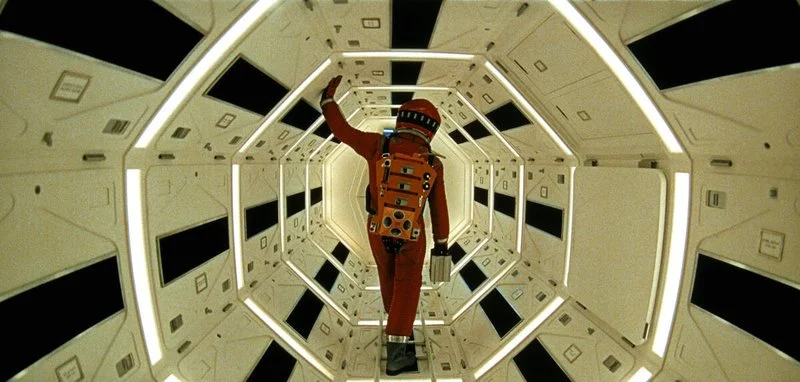
“Whether you’re a longtime fan of Kubrick’s visionary work or discovering the film’s magic for the first time, this live symphonic journey offers a rare chance to experience a classic in exhilarating new dimensions.”
On January 9 and 10, Orchestra Hall will transform into a space-age cathedral of sight and sound as the Chicago Symphony Orchestra (CSO) and Chicago Symphony Chorus bring legendary director Stanley Kubrick’s iconic science fiction epic 2001: A Space Odyssey to life in a one-of-a-kind live-to-picture performance. More than just a film screening, this event will invite a collective audience of more than 5,000 souls on a transcendent journey—a sweeping experience that blends cinematic mastery with the visceral power of live orchestral music.
For two nights only, audience members will witness 2001 projected on the big screen while the CSO performs its unforgettable classical soundtrack in real time, guided by conductor André de Ridder and featuring the robust voices of the Chicago Symphony Chorus, underlining how this unforgettable film continues to resonate across generations and cultures.
As one of America’s most storied musical institutions, the CSO has enthralled audiences since its founding in 1891, earning global acclaim for its precision, power, and expressive range. Based in Chicago’s Symphony Center, the ensemble regularly performs symphonic masterworks, premieres bold new music, and collaborates with world-renowned artists and conductors.
For over half a century, the Chicago Symphony Chorus has become indispensable to the CSO’s performances, garnering multiple Grammy awards and distinguishing itself in major choral repertoire from Beethoven to Verdi. This presentation of 2001 will not only showcase the instrumental brilliance of the CSO but, even if sparingly deployed, the dramatic impact that choral timbre can add to high art cinema in a live setting.
At the helm of this ambitious collaboration is André de Ridder, a charismatic German conductor known for blending classical tradition with bold, contemporary sensibilities. Born in 1971, de Ridder trained in Vienna and London, and has built a multifaceted career that spans Baroque, opera, avant-garde, and crossover music. Beyond his symphonic credentials, he co-founded the stargaze collective—a genre-blurring musical enterprise—and continues to collaborate with diverse artists and ensembles around the world.
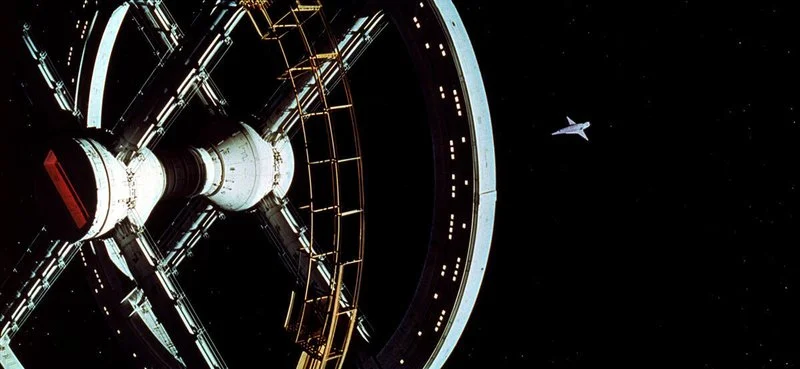
De Ridder’s versatility makes him an ideal guide for 2001’s eclectic musical landscape, which juxtaposes towering Romantic works with eerie modernism. As he himself describes, his wide-ranging career—from collaborations with jazz musicians to contemporary festivals—uniquely positions him to navigate the film’s rich sonic textures.
Stanley Kubrick’s decision to base much of 2001: A Space Odyssey on pre-existing classical music was groundbreaking. Unlike most films of its time (and for that matter, today) 2001 largely eschews a traditional composed score in favor of classical masterpieces that name characters and themes through music alone.
Kubrick famously opted for recordings of works such as Richard Strauss’s tone poem Also sprach Zarathustra, Johann Strauss II’s waltz The Blue Danube, and the eerie dissonances of György Ligeti over custom-composed themes. This approach helped redefine how cinema could use music, treating familiar compositions as leitmotifs that resonate psychologically and aesthetically, rather than as mere background.
Kubrick’s affinity for music was not superficial; he meticulously selected pieces that would deepen the film’s emotional and philosophical impact. Classical music in 2001 is not an accompaniment but a character unto itself—a voice that guides audiences through the narrative and singular sensory experience the film presents. The Chicago Symphony Chorus and Orchestra will bring these and other sumptuous selections to life, synchronizing sound and film to create a fully immersive effect that highlights both the physical and conceptual voyages at the heart of Kubrick’s masterpiece.
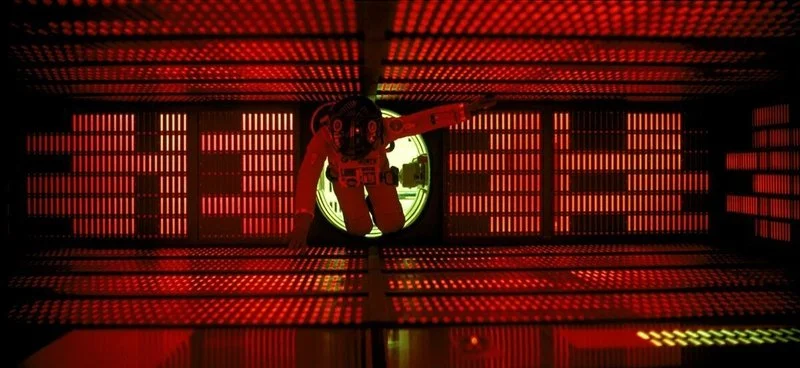
Decades after its release in 1968, 2001: A Space Odyssey remains one of the most influential films in cinematic history. Praised for its visionary visual effects (representing the only Academy Award Kubrick would win in his lifetime), scientific realism, and philosophical depth, the film shaped the language of science fiction and inspired generations of filmmakers, scientists, writers, and artists. In Japan, 2001 holds a particularly poignant place. The movie’s elegance, meditative pacing, and fusion of music and spectacle—qualities deeply appreciated in traditional Japanese aesthetics—have made it a beloved and frequently discussed work among cinephiles and scholars. 2001 is often referenced in Japanese media and film culture, with screenings, essays, and retrospectives celebrating its artistry and existential themes.
Kubrick’s seamless integration of classical music is also admired among Japanese audiences, who value both Western classical traditions and innovative reinterpretations that exhibit profound emotional resonance. The film’s music—especially Strauss and Ligeti—often reappears in discussions of classical music’s power to evoke universal experience. Meanwhile, one need only look at 2001’s repeated appearances in visual references, academic lectures, and festival programs worldwide to grasp its reach. Its layered meanings—from human evolution and artificial intelligence to existential awakening—continue to provoke thought and debate across cultures and disciplines. Whether revered for its bold storytelling, its audacious visuals, or its bold musical architecture, 2001 ignited an enduring fascination with space, technology, and the unknown.
The CSO’s live-to-picture performance offers audiences an opportunity to experience 2001: A Space Odyssey as a living, breathing artwork—one that unites film and music in ways Kubrick himself might have appreciated, mixing the emotional dynamism and dramatic power of classical music within cinematic storytelling. For lovers of film, symphonic music, and cultural milestone events, this presentation is more than a concert: It’s a celebration of artistic innovation that bridges mediums, eras, and continents.
As this live presentation of 2001: A Space Odyssey takes audiences beyond the stars and back into the hallowed hall of music and film, the performance promises to be one of the season’s most unforgettable events. Whether you’re a longtime fan of Kubrick’s visionary work or discovering the film’s magic for the first time, this live symphonic journey offers a rare chance to experience a classic in exhilarating new dimensions. Open the pod bay doors, and take a seat.
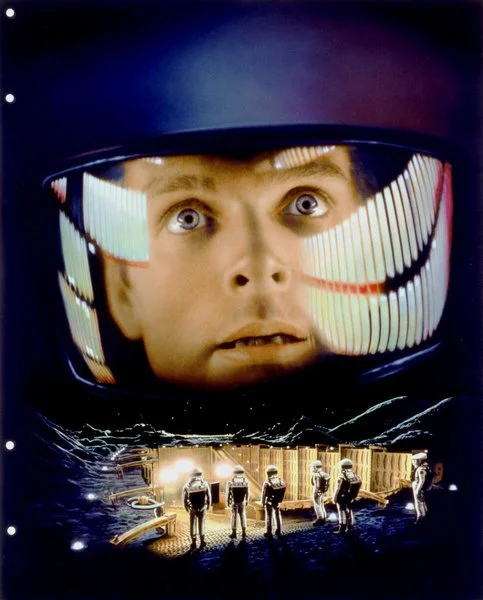
A Live Presentation of 2001: A Space Odyssey runs January 9-10 at 7:30 p.m. at the CSO Symphony Center, 220 South Michigan Avenue. Enjoy $25 off each ticket when ordering four or more seats (no promo code required). For more information and tickets, click here. For upcoming performances, visit https://cso.org.
For more JQ articles, clickhere.